We’ve all been there: you wake up feeling inspired, ready to conquer your goals — only to find that motivation disappears a few days later. But what if the secret to lasting change isn’t motivation at all? What if it’s something deeper and more reliable — like standards?
In this post, we explain why standards matter more than motivation, how to build them, and how they lead to lasting results without constantly relying on fleeting feelings.
Motivation Is Temporary — Standards Are Lasting
Motivation feels great — in the moment. It’s that surge of energy when you’re excited about a new goal or idea. But as anyone who’s tried to stick to a New Year’s resolution knows, motivation fades. Life gets busy, energy fluctuates, and before you know it, that initial drive has disappeared.
That’s because motivation is tied to mood and circumstance. It’s emotional and unpredictable.
Standards, on the other hand, are intentional. They’re like rules you set for yourself that you don’t negotiate with. When something becomes a standard — a non-negotiable part of life — it stops depending on how you feel and starts reflecting who you are and what you value.
Standards vs. Willpower: What’s the Difference?
Most people try to rely on willpower — that inner drive to push through discomfort and do what needs to be done. But willpower alone isn’t a sustainable strategy:
- It runs out when you’re tired or stressed
- It depends on mood
- It doesn’t build identity
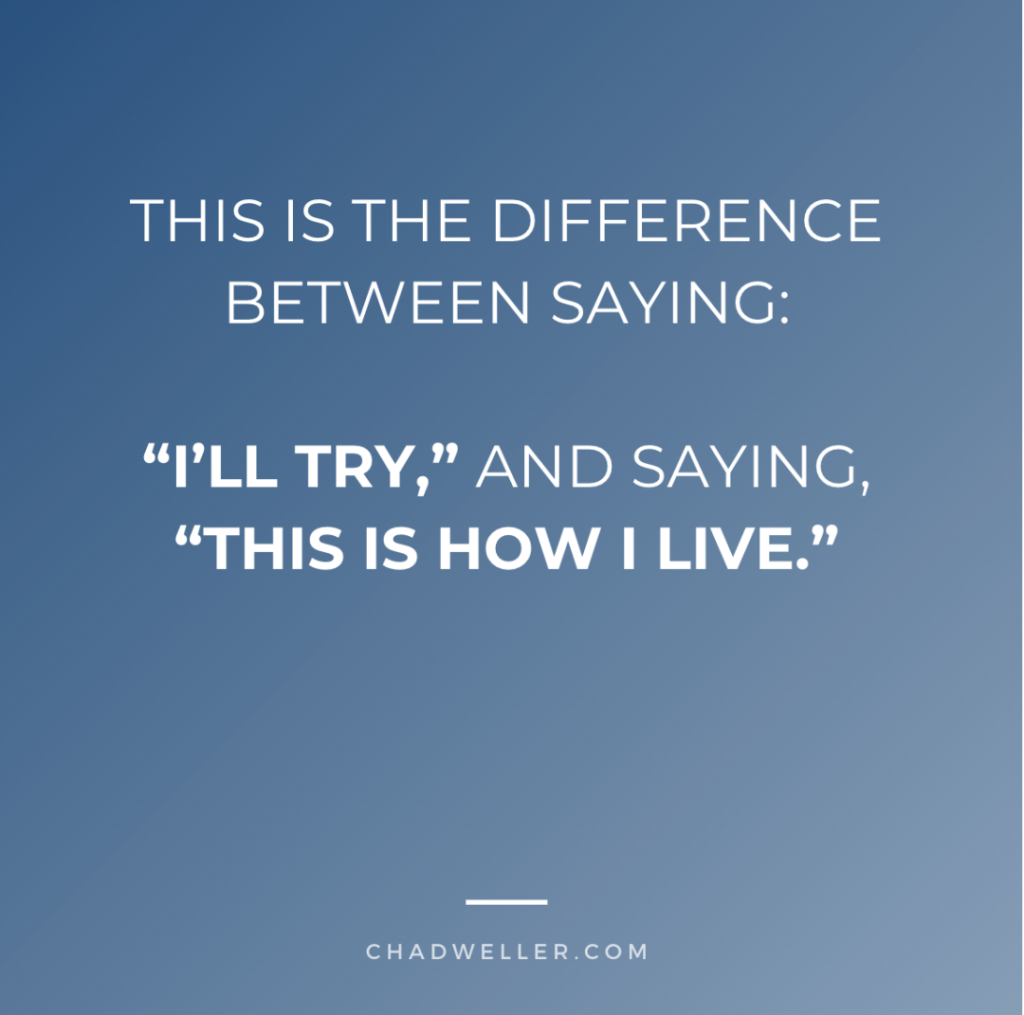
Standards shift the conversation from temporary effort to lasting identity. When you decide that something is non-negotiable — like exercise every morning, writing every day, or putting your health first — you stop asking “Do I feel like it today?” and start living by commitment.
Standards are habits with purpose. They become part of your behavior even when you don’t “feel inspired.”
How to Raise Your Standards (Without Pressure)
Raising your standards doesn’t mean doing more — it means deciding what matters enough to protect, and honoring it consistently.
Here’s how to build better internal standards:
1. Identify What Truly Matters
Start by asking yourself:
- What outcome do I want most?
- What kind of person do I want to be?
- What habits support that identity?
Your standards should directly reflect the answers. For example:
- “I show up for my writing every morning.”
- “I prioritize my health with daily movement.”
- “I honor my commitments before anything else.”
Standards aren’t vague aspirations. They are clear, actionable expectations you set for yourself.
2. Turn Standards Into Identity
Standards stick when they’re tied to who you want to become — not just what you want to achieve.
For example, instead of “I want to run a marathon,” shift to “I am a runner who trains consistently.” The latter becomes part of your identity and influences your choices without begging for motivation.
3. Remove Negotiation
Standards work because there’s no argument. You don’t negotiate with them — you apply them.
If part of your standard is to write 500 words daily, you don’t ask, “Do I feel inspired today?” Instead, you do it because that’s who you are: a writer.
This mind shift — from persuading yourself to following your standard — is where consistency lives.
What Happens When You Rely on Standards
Shifting from motivation to standards changes your habits in powerful ways:
1. Less Emotional Dependence
You rely less on how you feel and more on what you’ve decided is important.
2. Greater Consistency
Standards help you perform even on low-motivation days. Consistency becomes a byproduct of identity, not mood.
3. More Respect for Yourself
Every time you keep a standard, you reinforce the belief that you follow through on commitments — which builds confidence and trust in yourself.
Standards don’t create pressure — they create clarity. They’re not about doing more; they’re about doing what you said you would do, whether it feels easy or not.
Start Living by Standards Today
If you’re tired of relying on motivation that comes and goes, start by defining a few standards that align with the person you want to become. Keep them simple. Make them non-negotiable. And then honor them consistently — not because you feel like it, but because it’s your standard.
Standards shape behavior. Behavior shapes identity. And identity shapes your life.