Investing in Yourself: How Small Intentional Actions Create Big Life Returns
Life isn’t lived in the calm moments — it’s lived in the pressure, the discomfort, and the emotional push and pull that make us feel vulnerable, stressed, or overwhelmed. Yet how we respond in these moments shapes our inner stability, confidence, and capacity to lead our lives with intention.
In this post, we explore what emotional mastery really means, why it matters when life gets hard, and practical approaches you can use to stay grounded instead of reactive — even when everything around you feels intense.
Why Pressure Matters More Than Pleasure
Pressure isn’t simply something to endure until it passes — it’s a revealing force. When you’re under pressure, your instinctive patterns emerge:
- Do you shut down?
- Do you overreact?
- Do you avoid the issue?
- Or do you push harder than necessary?
These aren’t random behaviors; they’re learned survival responses crafted by your brain over years of experience. But the part you need to realize is this:
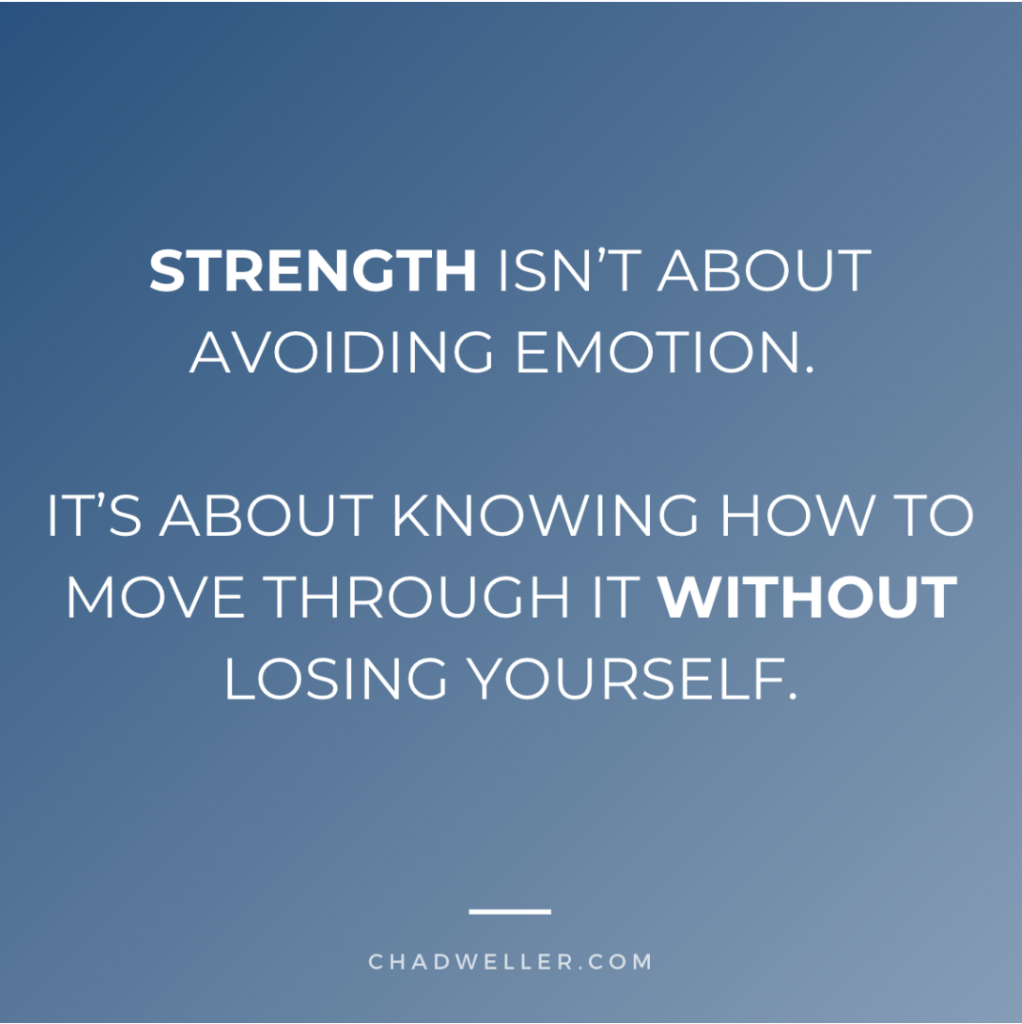
Strength isn’t about avoiding emotion — it’s about learning how to move through it without losing yourself.
Most people mistake emotional mastery for suppression or stoicism. In reality, true mastery is about regulation — the ability to feel your emotions without letting them hijack your decisions. It’s about pausing rather than reacting impulsively.
What Emotional Mastery Really Looks Like
Emotional mastery isn’t a state of perfection. It’s a practice rooted in awareness and thoughtful response. Here’s what it involves:
1. Awareness: Naming What You’re Feeling
One of the simplest, yet most powerful steps in emotional regulation is to name your emotions. When pressure builds and your nervous system reacts, take a moment to identify what you’re actually feeling.
Is it frustration? Fear? Disappointment? Being explicit with yourself creates space between stimulus and response — which is where growth happens.
2. Regulation vs. Suppression
Suppressing emotion — pretending it’s not there — only buries it deeper. Emotional regulation, on the other hand, is about acknowledging the emotion and choosing how to respond consciously.
This look like:
- slowing your breathing
- creating a pause between stimulus and reaction
- allowing yourself to experience the feeling without acting on it immediately
These pauses — sometimes only a few seconds — are transformative. They give you back control over your inner world.
3. Staying Present in Discomfort
When you stay present instead of escaping discomfort, resilience grows. Confidence grows. Your ability to navigate hard moments strengthens in ways that no external accomplishment ever could.
Being present doesn’t mean you don’t experience difficulty — it means you can sit with it without collapsing into fear or avoidance.
Practical Tools to Stay Grounded Under Pressure
Emotional mastery isn’t abstract — there are real tools you can start using today.
1. Slow Breathing to Reset Your Nervous System
When pressure rises, your nervous system goes into survival mode. Slow, intentional breathing activates the parasympathetic nervous system — your body’s “rest and reset” response.
Try this:
- Inhale for 4 seconds
- Hold for 2 seconds
- Exhale for 6 seconds
Repeat 3–5 times. You’ll be amazed at how quickly clarity returns.
2. Build a Pause Between Stimulus and Response
Before responding — especially in emotionally charged conversations — take a moment. Even a brief internal pause gives you access to your best judgment rather than your instinctive reaction.
This could mean:
- Saying, “Let me think about that.”
- Taking a sip of water before answering
- Walking away to collect your thoughts
3. Journal Prompts to Explore Your Patterns
Reflection deepens awareness. These prompts are designed to help you understand your default emotional responses:
- How do I typically respond when I feel overwhelmed or triggered?
- What helps me feel grounded when emotions run high?
- How would my life change if I trusted myself in hard moments?
Try writing your answers without judgment — just observe.
The Payoff: Inner Stability Creates Outer Strength
Life will always apply pressure — that’s the human experience. But mastering your inner world gives you a quiet confidence that no external success can buy.
When you learn to regulate instead of react, you:
- maintain stronger relationships
- make clearer decisions
- show up with more confidence
- recover from setbacks faster
- lead yourself instead of surrendering to fear
The goal isn’t perfection — it’s presence.
Presence in discomfort.
Awareness in chaos.
Choice in reaction.
And that — true emotional mastery — changes everything.